You can learn almost everything you need to know about an online casino in an hour—if you know where to look and what to ask. The goal of this checklist is simple: help you spot quality, avoid obvious traps, and decide with confidence whether a site deserves your first deposit. No hype, no guesswork—just a structured audit you can repeat every time you consider a new platform.
What you’ll need
- 15–30 minutes of quiet focus, then short bursts for the rest.
- Notepad or notes app to keep exact wording of policies and any chat transcripts.
- Optional: a small test deposit you can afford to lose (but don’t deposit yet).
Minutes 0–10: Verify ownership and licensing
Start at the bottom of the homepage. The footer usually reveals the real operator name, license number, and regulator. Open the “Terms & Conditions” page and look for the registered company entity, physical address, and licensing details. Cross‑check these against the regulator’s public register (for example, the UKGC, MGA, or Curaçao) and confirm that the license is active and the company name matches exactly—including punctuation.
Do a conflict check: is the brand’s marketing name different from the legal entity? That’s normal, but the legal entity should be consistent across the site, privacy policy, and payment terms. Any mismatch is a yellow flag. Also verify country restrictions: some regulators prohibit offering services to specific jurisdictions. If your country is on a prohibited list, move on.
Practical tip: open any operator you’re considering (for instance, https://b7-casino.bet/) and scroll to the footer to locate licensing details. You’re not judging the brand here—just practicing where and how to find the key facts.
Minutes 10–20: Payments and cashout policies
Find the “Payments” or “Banking” page. Capture the following in your notes:
- Deposit and withdrawal methods available in your country, plus min/max amounts.
- Processing times by method (e.g., instant deposits, 24–48 hours for e‑wallet withdrawals, longer for cards or bank wires).
- Fees—both per transaction and hidden ones such as currency conversion or intermediary bank charges.
- Cashout caps—daily, weekly, or monthly. These matter if you hit a big win.
Now scan the general T&Cs for KYC details. You want to know which documents are required (photo ID, proof of address, source of funds), the typical time to verify, and whether verification is needed before your first withdrawal. Look for language like “the casino reserves the right to request… at any time.” That’s normal, but a robust site also indicates expected timelines.
Minutes 20–30: Bonus terms stress test
Bonuses aren’t free money; they’re a contract. Read the bonus T&Cs fully—yes, fully. Capture these items:
- Wagering requirement (e.g., 30x bonus or 30x bonus+deposit).
- Game contribution (slots often 100%, table games 5–20%, live games sometimes 0%).
- Max bet during wagering (e.g., $5 or 10% of bonus).
- Time limit to complete wagering.
- Withdrawal restrictions (e.g., max win from free spins, bonus funds excluded from progressive jackpots).
Do a quick value calculation. If a $100 bonus has 30x wagering on bonus+deposit, you must wager $6,000. If your average house edge across qualifying games is 3%, the expected cost of clearing is ~$180—more than the bonus. That’s not necessarily “bad,” but it tells you the bonus is more entertainment than value. Prefer lower wagering, higher game contribution, and fewer traps.
| Scenario | Bonus | Wagering | Qualifying games | Turnover | Est. cost (3% HE) |
|---|---|---|---|---|---|
| A | $100 | 30x bonus+deposit | Slots 100% | $6,000 | $180 |
| B | $100 | 20x bonus | Slots 100%, tables 10% | $2,000 (slots) | $60 |
| C | $50 free spins value | 0–5x (varies) | Specific slots only | $0–$250 | $0–$7.50 |
Minutes 30–40: Games, providers, and fairness
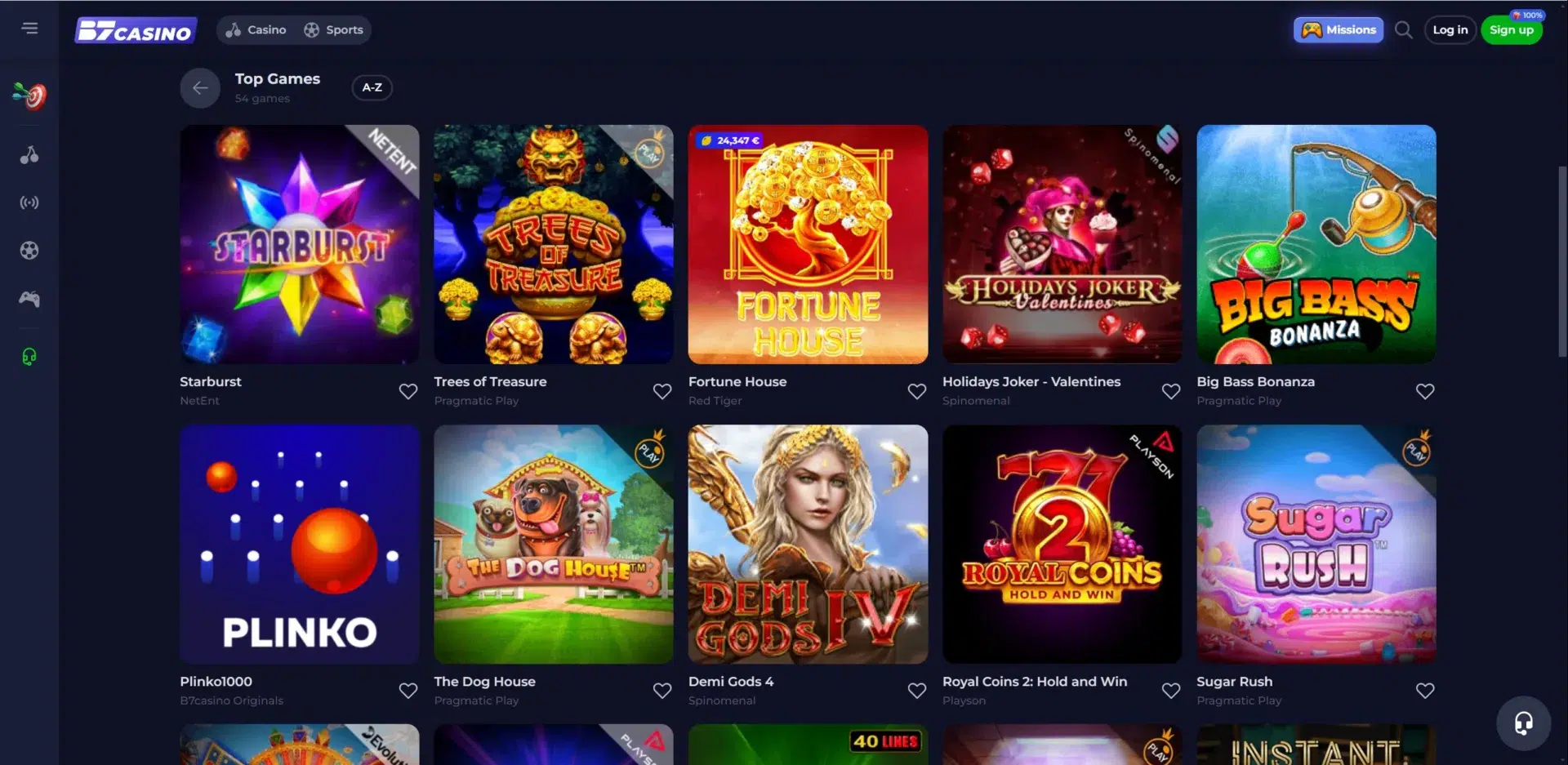
Open the game lobby. You’re looking for recognizable providers (e.g., major studios known for audited RNGs), transparent RTP information, and easy filtering. Click into a random slot and look for an info panel showing volatility and RTP. Some regulators allow adjustable RTP versions; confirm the site isn’t using the lowest RTP variants.
If demo play is available, test a few titles to check load time, UI snappiness, and whether the site throttles play. For live casino, confirm table providers and table limits.
Finally, look for third‑party audits or certification statements (eCOGRA, iTech Labs, GLI) and a clear policy on RNG testing frequency. If you can’t find any reference to fairness testing or RTP disclosure, that’s a warning sign.
Minutes 40–50: Support quality and KYC reality check
Open live chat and ask three specific questions:
- “What documents will you need from me to verify my account before my first withdrawal?”
- “What’s your current average time from documents submitted to first payout?”
- “Can I set a loss limit that applies immediately?”
Take note of response times, clarity, and whether the agent answers directly or pastes scripts. If there’s no live chat, send an email and see whether you get a helpful response within the hour. A good team will give precise steps, not vague promises.
Minutes 50–60: Responsible gambling tools and real controls
Before depositing, check you can set the following from your account area without contacting support:
- Deposit, loss, and session limits—ideally with immediate effect.
- Reality checks and time reminders.
- Cooling‑off and self‑exclusion options with clear durations.
Try setting a small daily deposit cap or a reality check timer. If the change doesn’t apply right away—or worse, if it’s hard to find—that’s telling. Responsible gaming isn’t a side feature; it’s a baseline expectation.
Extra 10 minutes (optional): Soft signals that matter
- Mobile experience: open a few games and the cashier on your phone; note loading times and touch responsiveness.
- Policy clarity: are T&Cs readable, dated, and versioned? Do they avoid sweeping “sole discretion” clauses?
- Site stability: broken links, error messages, or maintenance pop‑ups during peak hours suggest weak ops.
- Community sentiment: reviews can be noisy, but consistent complaints about withdrawals or locked accounts deserve attention. Prioritize specifics over star ratings.
A simple go/no‑go rubric
After 60 minutes, you should have enough to choose:
- Go: active license verified; clear payment methods with reasonable limits; transparent bonus terms; recognized providers and RTP disclosure; responsive support with specific answers; robust responsible gaming controls.
- No‑go: license mismatch or opacity; long withdrawal times plus strict caps; predatory bonus terms (high wagering on bonus+deposit, low game contribution, tight max bet); no RTP info; evasive support; weak or hidden limits.
When you’re on the fence, skip the bonus and start with a small deposit. Make a few low‑variance bets, then request a withdrawal. A hassle‑free first cashout tells you more than any banner ever will.
How to run a safe first session
Plan your session before you play: choose a fixed bankroll, set loss and time limits, and pick low‑volatility games while you’re evaluating the platform. This reduces risk while you validate the cashier flow, the game client stability, and support responsiveness. Always keep screenshots of key terms as they appear the day you register.
Quick video primer: bankroll and variance
If you’re new to bankroll planning and variance, this short video can help frame expectations before your first session.
Your reusable checklist (copy/paste)
- License verified in regulator register; operator name matches site and T&Cs.
- Country allowed; payment methods available in your currency; no hidden fees.
- Withdrawal times, limits, and KYC expectations documented.
- Bonus terms read end‑to‑end; wagering math checked; max bet/time limits noted.
- Recognized game providers; RTP visible; fairness audits cited.
- Support tested with specific questions; response saved.
- Responsible gaming tools set and working immediately.
- Optional: small test deposit and withdrawal completed without friction.
Final takeaway
Good online casinos don’t hide the ball. They publish clear licenses, straight‑forward payment rules, fair bonus terms, familiar game providers, and real player protections. Run this 60‑minute audit once, capture everything in notes, and you’ll make better decisions every time—before a single dollar leaves your wallet.